Rave Culture in the Early ’90s
How Hardcore and Drum & Bass Reshaped Rave Culture in the Early ’90s

How Hardcore and Drum & Bass Reshaped Rave Culture in the Early ’90s
The early ’90s were a seismic moment for rave culture. While acid house and techno had laid the foundations in the late ’80s, the arrival of hardcore and drum & bass (DNB) transformed raves into something louder, faster, and more immersive. It wasn’t just music—it was a revolution that changed the energy, the crowds, and the culture itself.
Hardcore Hits the Warehouse
Hardcore stormed the scene with breakneck tempos, distorted kicks, and raw energy. Tracks like:
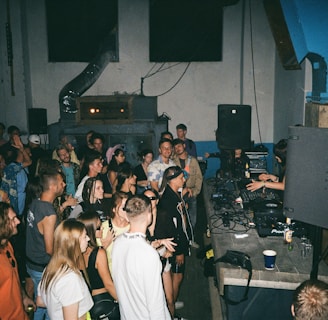
defined the era. Dancefloors that once swayed to house now pulsed with relentless, high-octane beats. Underground UK raves embraced this sound, turning warehouses and secret field parties into arenas of pure adrenaline. DJs like Carl Cox and Eddie Richards pushed the boundaries, blending hardcore into marathon sets that kept ravers moving for hours.
Drum & Bass: The Next Evolution
From hardcore’s breakbeat chaos, drum & bass emerged, combining intricate rhythms with deep basslines and hypnotic grooves. Key tracks that shaped the scene include:
DNB appealed to those seeking both intensity and musical sophistication. DJs like LTJ Bukem and DJ Hype crafted immersive journeys, where every set was a rollercoaster of euphoric highs and contemplative lows. The music demanded attention, blending the physical energy of hardcore with a cerebral depth that resonated long after the night ended.
Cultural Shifts on the Dancefloor
Hardcore and DNB didn’t just change music—they reshaped rave culture. Dancefloors became diverse ecosystems: some chasing hardcore’s adrenaline rush, others surrendering to DNB’s intricate rhythms. Fashion followed suit—neon colors, baggy pants, rave visors, and kandi bracelets reflected the scene’s playful and boundary-pushing spirit.
The era also democratized music creation. Affordable samplers and early digital tools empowered bedroom producers to innovate, fueling the underground movement and keeping the culture fresh and unpredictable.
A Lasting Legacy
Today, hardcore and DNB influence modern electronic music, from bass-heavy festival sets to global DJ lineups. But the early ’90s remain iconic—the moment tempo, innovation, and community energy collided to redefine raves.
Stepping onto a dancefloor today, ravers still tap into that legacy: a combination of physical intensity, mental immersion, and communal freedom. The early hardcore and DNB wave showed that raves could be both a thrilling rush and a musical journey, a spirit that still drives electronic music worldwide.